About All Tours3-Day ToursPrivate ToursFrom La Paz ToursFrom San Pedro ToursSunset ToursStargazing Night Tours Directions Hours & Fees
Find Tours 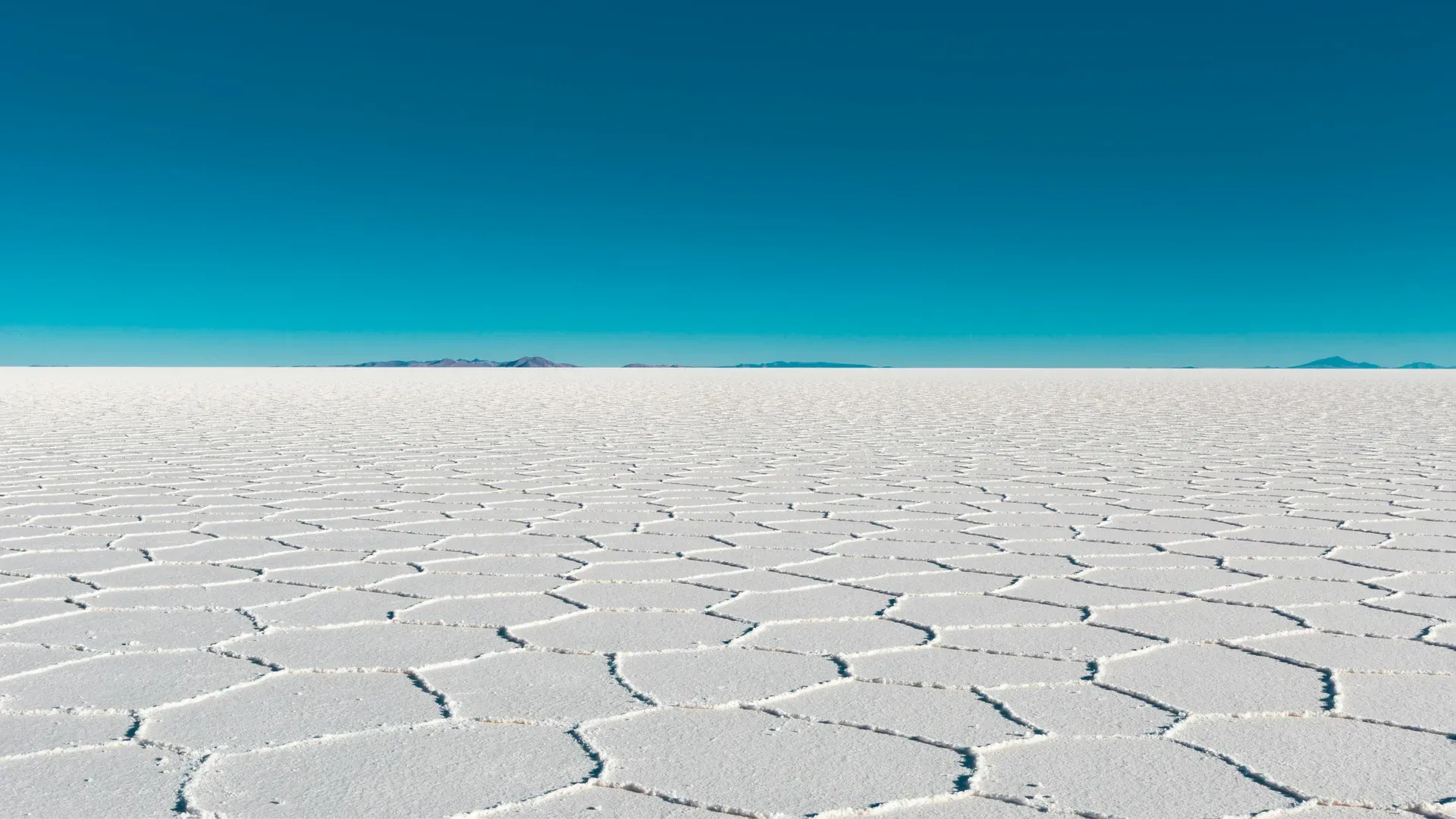
Embark on a multi-day 4x4 expedition from San Pedro de Atacama across the Bolivian Altiplano to the breathtaking Salar de Uyuni. Choose from 3- or 4-day shared and private itineraries that include accommodation, meals, and expert navigation.

A four-day round trip from San Pedro de Atacama to the Uyuni Salt Flat, including high-altitude lagoons and deserts.

A multi-day crossing from San Pedro de Atacama to the Uyuni Salt Flats through volcanoes, lagoons, and geysers.

A three-day 4x4 expedition from San Pedro de Atacama to the Uyuni Salt Flats across the high-altitude Altiplano.
 Free Cancellation
 A private 3-day journey from San Pedro de Atacama to Uyuni, featuring the salt flats, lagoons, and Tayka hotels.
 Free Cancellation
 Cross the Bolivian highlands from San Pedro to Uyuni, visiting the salt flats, colorful lagoons, and thermal springs.
Read what travelers share about their experience visiting Salar de Uyuni — from practical tips to personal highlights.
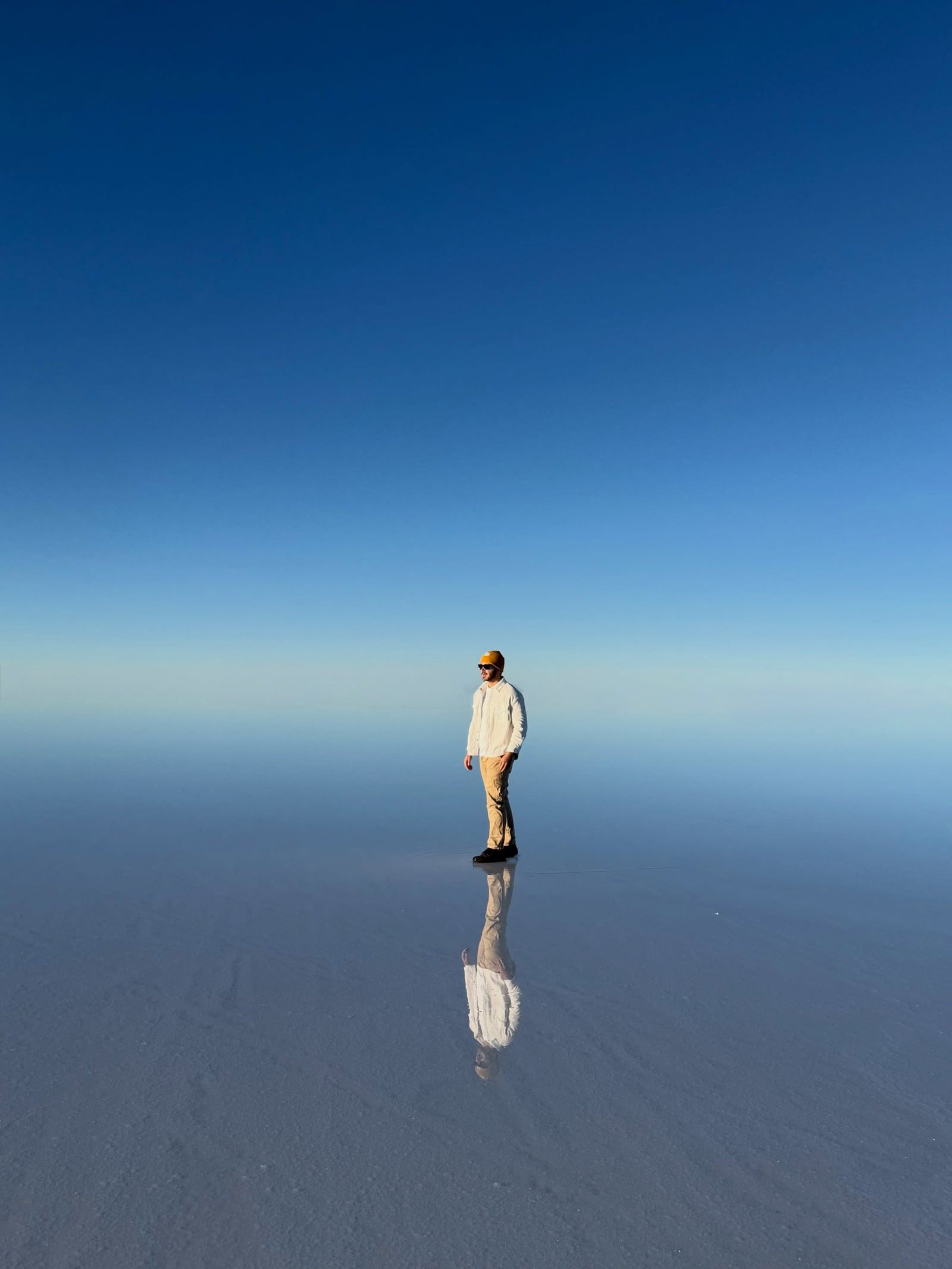
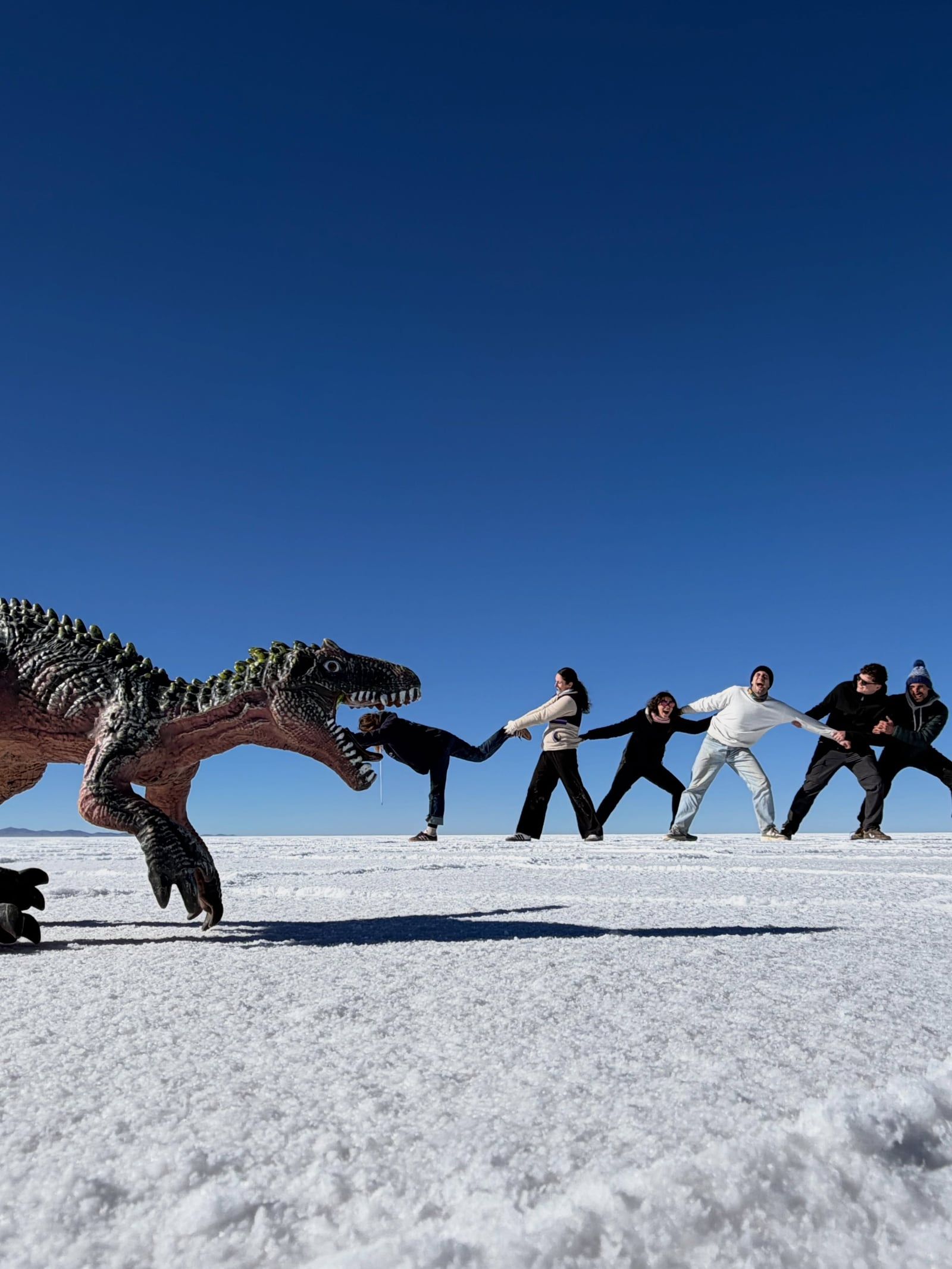
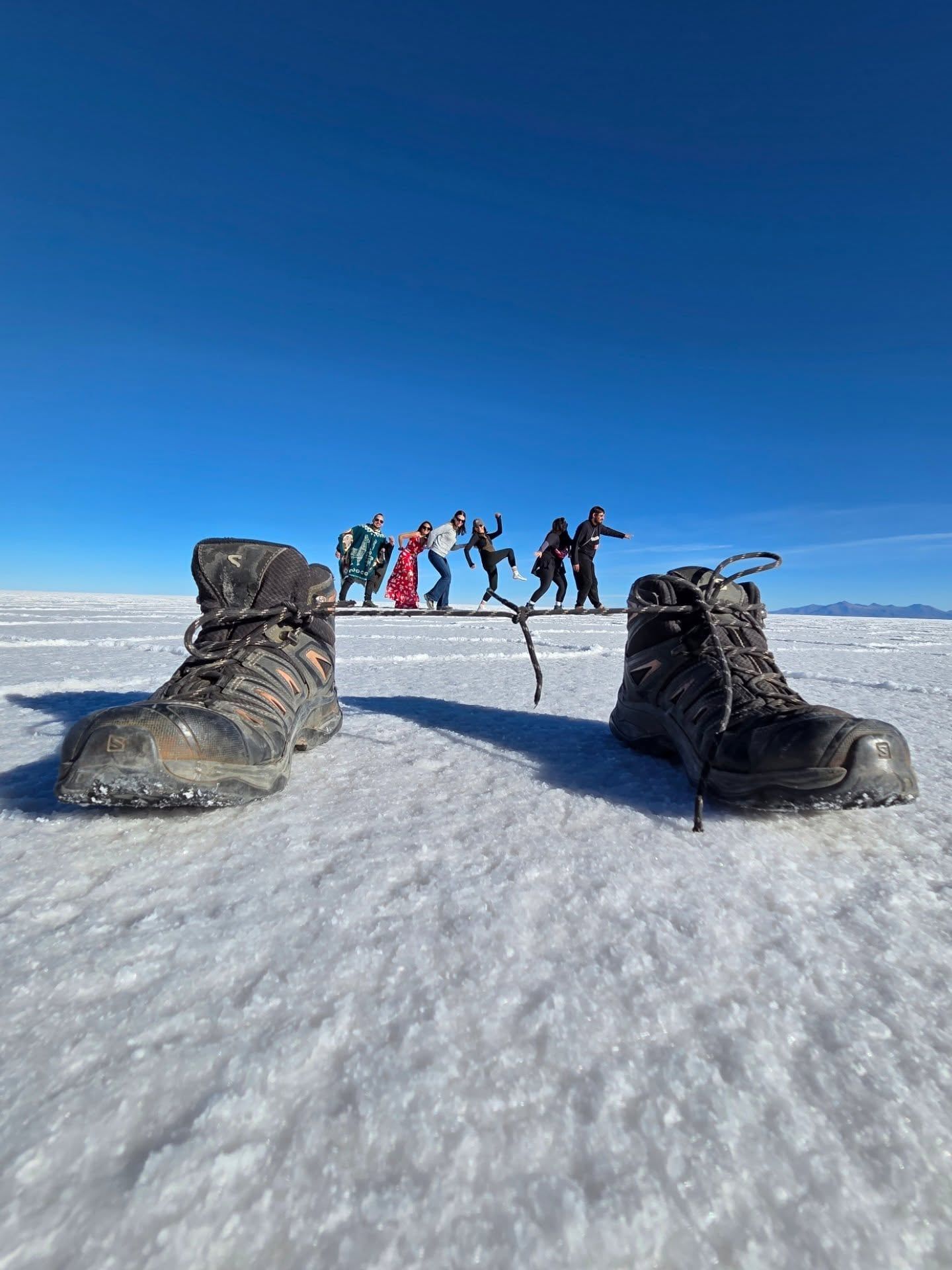
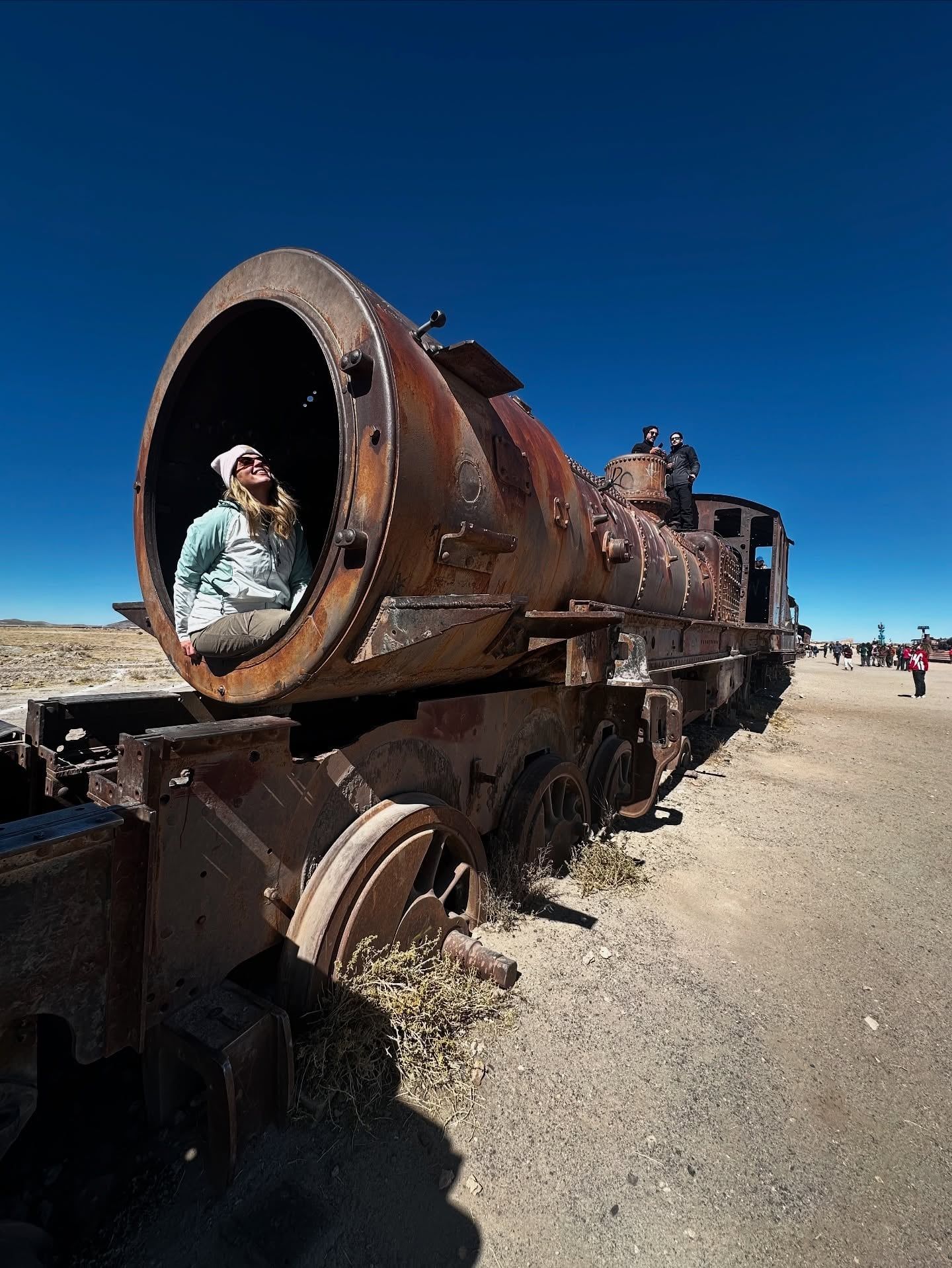
Taking a tour to the Salar de Uyuni from San Pedro de Atacama is a rugged, multi-day expedition across some of the most extreme and beautiful landscapes on Earth. You will cross the border from Chile into Bolivia, trading the Atacama Desert for the high-altitude Bolivian Altiplano, traveling in 4x4 vehicles through national reserves, colored lagoons, and geothermal fields before finally reaching the massive white expanse of the world's largest salt flat.
A striking red-colored lagoon located in the high-altitude desert. It is famous for its vibrant waters and thousands of grazing pink flamingos.
An active geothermal area sitting at a staggering 5,000 meters above sea level. You will see thick steam clouds rising from bubbling mud pools and sulfurous vents.
Natural thermal hot springs where you can take a warm, relaxing dip in mineral-rich waters while surrounded by the freezing Altiplano environment.
A surreal, wind-swept valley featuring naturally sculpted rock formations that look exactly like the backdrop of a Salvador Dalí painting.
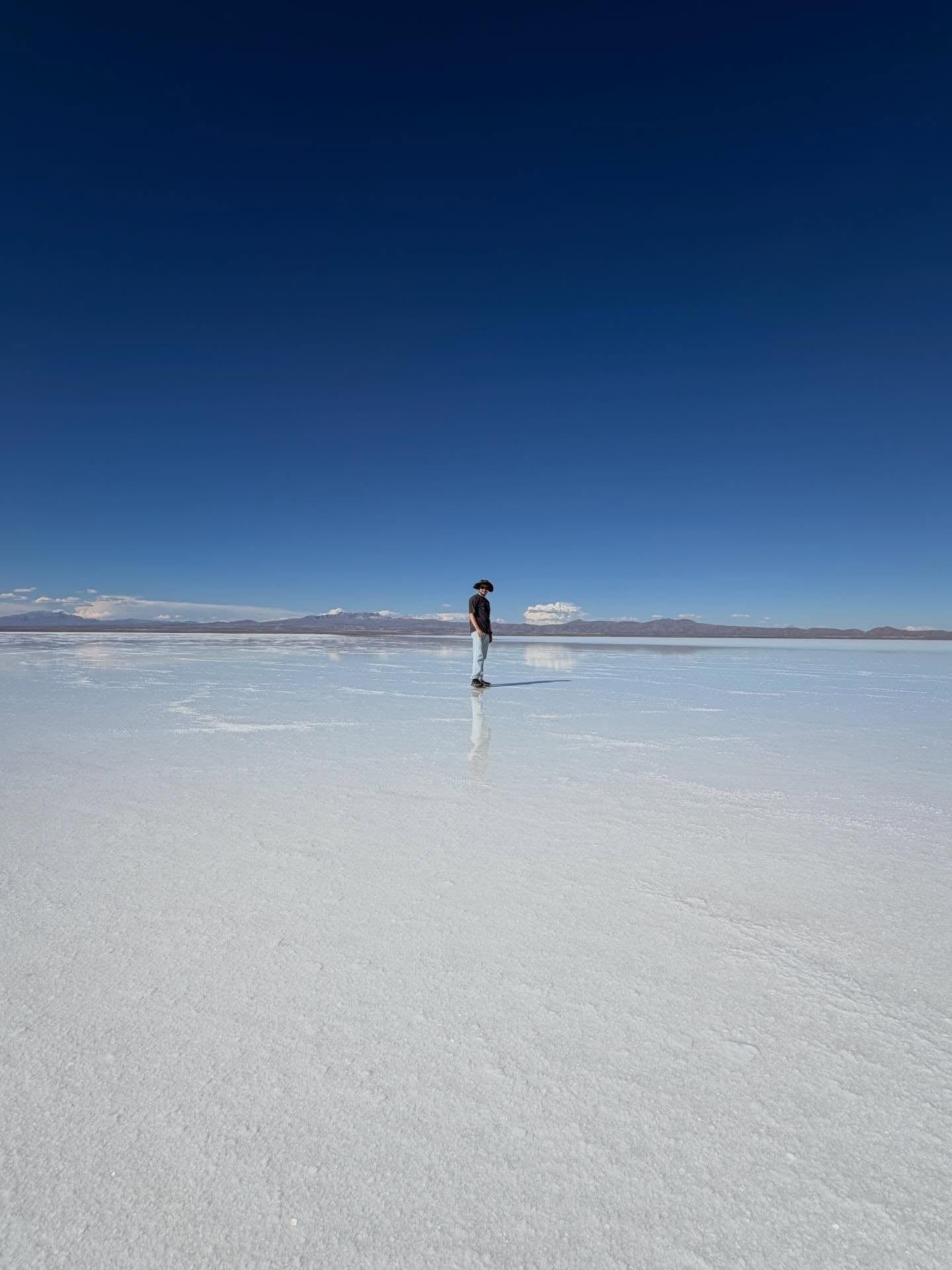
The world's largest salt flat, covering over 10,500 square kilometers. Here you will take hilarious forced-perspective photos on the endless white crust.
A rocky, volcanic island rising from the middle of the salt flat. It is covered in giant, centuries-old cacti and offers 360-degree panoramic views.
Booking a multi-day expedition from San Pedro de Atacama to the Uyuni Salt Flats requires careful planning, as you will be crossing international borders and traveling into remote, high-altitude terrain with limited facilities.
You can choose between a 3-day one-way tour that ends in the town of Uyuni, or a 4-day roundtrip tour that brings you back to San Pedro de Atacama. Most tours are shared group experiences in 7-seater 4x4 vehicles, though premium private tours are also available.
Standard tour prices usually do not cover local entrance fees. You must bring cash in Bolivian Bolivianos (USD is not accepted) to pay for the Eduardo Avaroa National Reserve (150 BOB), Incahuasi Island (30 BOB), and the hot springs (6 BOB).
You will cross the border at Hito Cajones early on the first day. While many nationalities enter Bolivia visa-free, US citizens must obtain a tourist visa on arrival, which costs $160 USD and requires two ID-sized photos.
These tours reach extreme elevations, peaking around 5,000 meters (16,400 feet) at the geysers. Altitude sickness is very common, so it is highly recommended to spend a few days acclimatizing in San Pedro de Atacama before departing.
Unless you book a VIP or upgraded private tour, expect very basic accommodations. Budget tours use shared dormitories with limited blankets, no heating, and shared bathrooms where hot water is not guaranteed.
Temperatures drop below freezing at night, especially during the dry winter months of June and July. You must pack thermal base layers, a warm jacket, gloves, and a hat, alongside a wide-brimmed hat and UV sunglasses for the intense midday sun.
There are no ATMs along the route. Bring plenty of small Boliviano bills for bathroom stops (usually 6 BOB each time) and to tip your driver and guide, which is customarily $5 to $10 USD per person per day.
Many operators offer flexible cancellation, allowing a full refund if you cancel at least 3 full days or 24 hours before the scheduled departure time. Always double-check your specific operator's policy.
| Shared 3-Day One-Way | Shared 4-Day Roundtrip | Private VIP Tour | |
|---|---|---|---|
| Duration | 3 Days / 2 Nights | 4 Days / 3 Nights | 3 Days / 2 Nights |
| Route | San Pedro de Atacama to Uyuni | San Pedro de Atacama to San Pedro de Atacama | San Pedro de Atacama to Uyuni (with onward flights) |
| Accommodation | Basic shared dorms (upgrades sometimes available) | Basic shared dorms | Premium private rooms / Salt Hotels |
| Price from | $315 - $365 | $385 - $411 | $2,300 |
The Salar de Uyuni and the Eduardo Avaroa National Reserve do not have strict gate hours, but tour schedules are tightly managed by operators to maximize daylight and ensure safety.
The journey begins in San Pedro de Atacama, Chile. Tour operators will usually pick you up directly from your hotel in a minibus.
You will drive roughly an hour to the Hito Cajones border crossing. After clearing Chilean exit and Bolivian entry immigration, you will switch vehicles. The rest of the multi-day journey across the Altiplano and the salt flats is conducted in 7-seater 4x4 jeeps, as there are no paved roads.
If you book a 3-day tour, you will be dropped off in the town of Uyuni, Bolivia. From there, you can catch an overnight bus (10-12 hours) or a short flight to La Paz.
The best time to visit depends entirely on what you want to see:
Standard shared tours are generally not wheelchair accessible. The 4x4 vehicles used for the crossing are cramped, and folding wheelchairs must be stored on the roof or in the trunk, requiring manual transfers.
However, high-end private tours (such as the $2,300 VIP option) can accommodate wheelchairs and provide a much more comfortable, tailored pace.
Elderly travelers should be aware that the main challenge is not walking—most of the trip is spent inside the vehicle—but the extreme altitude, which reaches 5,000 meters. Proper acclimatization and consulting a doctor for altitude medication beforehand is highly recommended.
Facilities across the Bolivian Altiplano are extremely limited.
While traveling through the reserves and the salt flats, visitors must adhere to local regulations and practical guidelines:
It depends on the tour you book. A 3-day tour is a one-way trip that ends in the town of Uyuni, Bolivia. If you want to return to Chile, you need to book a 4-day roundtrip tour, which drives you back to San Pedro de Atacama on the final day.
Generally, no. Tour operators do not include local entrance fees. You will need to bring cash in Bolivian Bolivianos to pay 150 BOB for the national reserve, 30 BOB for Incahuasi Island, and 6 BOB for the hot springs.
Visa requirements depend on your nationality. Many European and South American citizens enter visa-free, but US citizens must pay $160 USD for a tourist visa on arrival at the border, which requires bringing two ID-sized photos.
There is a high risk of altitude sickness, as the tour quickly ascends from San Pedro de Atacama to elevations of up to 5,000 meters at the Sol de Mañana Geysers. It is crucial to acclimatize for a few days before the trip and bring altitude medication.
Nighttime temperatures in the high-altitude desert drop well below freezing, especially during the winter months of June and July. Since budget accommodations often lack heating, you must pack thermal base layers and a warm winter jacket.
Yes, travelers doing the one-way trip to Uyuni can bring their large backpacks or suitcases. Luggage is typically strapped securely to the roof of the 4x4 vehicle and covered with a tarp to protect it from dust and rain.
Yes, vegetarian and vegan meals are surprisingly easy to arrange with most tour operators. However, you must inform the company of your dietary restrictions before booking so the guide can pack the appropriate supplies.
You will start with a minibus transfer from San Pedro de Atacama to the border. Once in Bolivia, the entire journey is conducted in rugged, 7-seater 4x4 jeeps, as there are no paved roads across the Altiplano or the salt flats.
There is virtually no cell phone signal or Wi-Fi during the first two days of the trip as you travel through the remote Eduardo Avaroa Reserve. You should download offline maps, music, and notify family before leaving San Pedro de Atacama.
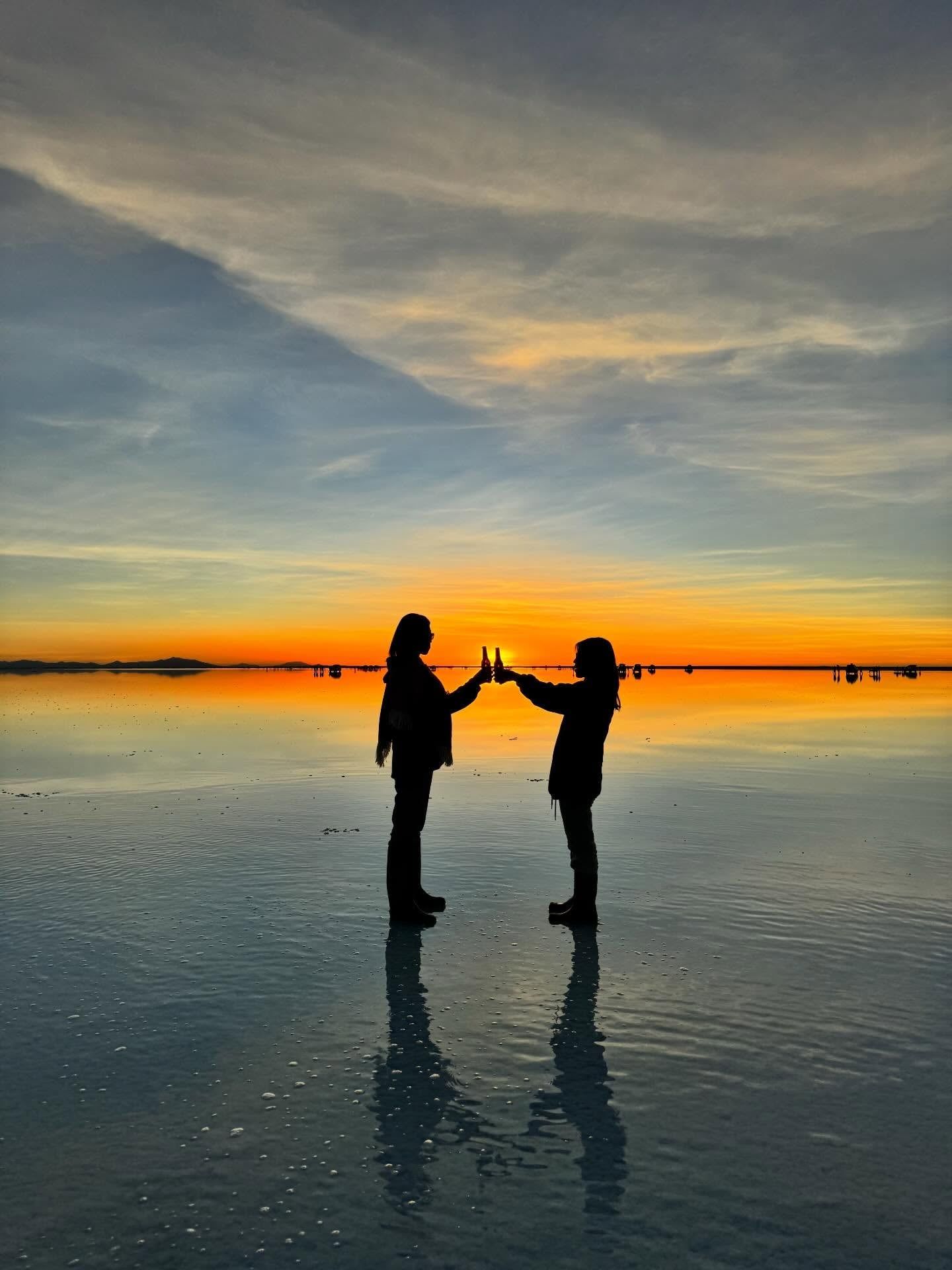
The mirror effect happens when a thin layer of rainwater covers the salt flat, perfectly reflecting the sky and clouds. You can only see this during the wet season, which runs from December to March or April.
Browse verified tours with free cancellation and instant confirmation.
Find Tours


This four-day circuit departs from and returns to San Pedro de Atacama, crossing into Bolivia to visit the region's most iconic high-altitude landscapes. The journey includes stops at the Altiplanic Lagoons, the Siloli Desert, and the Polques Hot Springs, with an entire morning dedicated to exploring the Uyuni Salt Flat. Accommodation is available in two tiers. The shared option provides communal rooms for the first and third nights, while the second night is spent in a private room at a Salt Hostel. The private option guarantees a private room for the duration of the tour. We work exclusively with vetted local drivers and guides to ensure reliable service and safety across the rugged Altiplano terrain.
If you cancel at least 3 full day(s) before the scheduled departure time, you will receive a full refund.<br>If you cancel within 3 day(s) of the scheduled departure, you will receive a 0% refund.
Spanish


This expedition travels through the high-altitude landscapes of southwest Bolivia, starting with a pickup from your hotel in San Pedro de Atacama. You can choose between a three-day trip that finishes in Uyuni or a four-day return journey back to Chile. The route covers the region's most significant landmarks, including the colored lagoons, geyser fields, volcanic vistas, and the expansive Salar de Uyuni. Accommodation is provided in local hostels with shared rooms, though upgrades to private rooms with en-suite bathrooms are available. All meals and transport are included, led by an experienced local Spanish-speaking driver, with the option to add an English-speaking guide. Because the Altiplano is remote and rugged, travelers should expect basic infrastructure; electricity and heating often run on limited schedules, and internet connectivity is rare. Logistics are managed to ensure safety and hygiene throughout the trip. Please note that the itinerary serves as a general guide and may be adjusted on the ground due to weather, road conditions, or local requirements to ensure the best possible experience in these unpredictable environments.
If you cancel at least 3 full day(s) before the scheduled departure time, you will receive a full refund.<br>If you cancel within 3 day(s) of the scheduled departure, you will receive a 0% refund.
English, Spanish


This three-day 4x4 trip travels from San Pedro de Atacama to Uyuni, making it a practical route for those continuing their travels into Bolivia. You will spend three days crossing the Altiplano, visiting the Eduardo Avaroa National Reserve, the Salvador Dalí desert, and the Polque hot springs. The route also stops at several high-altitude lagoons known for their distinct colors and wildlife. The expedition concludes at the Salar de Uyuni, where you will watch the sunrise over the vast salt crust. We offer both shared and private lodging options. Even if you book a shared room for the trip, the second night’s stay is provided in a private room at a hostel built entirely from salt.
If you cancel at least 3 full day(s) before the scheduled departure time, you will receive a full refund.<br>If you cancel within 3 day(s) of the scheduled departure, you will receive a 0% refund.
Spanish


This three-day private tour begins with a transfer from San Pedro de Atacama, Chile, to the Hito Cajones border crossing. From there, you will travel through the Bolivian highlands toward the Salar de Uyuni, eventually concluding the trip in the town of Uyuni. The package includes VIP service and private transport for the duration of the 2-night itinerary. The route covers the 12,000-square-kilometer salt crust and the diverse landscapes of the Eduardo Avaroa National Reserve. Key stops include the Green and Red Lagoons, the volcanic Stone Tree, and natural hot springs. You will also explore the multicolored high-altitude deserts that lead to the expansive white salt flats. Overnight stays are provided by the Tayka Hotel network, offering reliable comfort in the region's remote locations. This itinerary focuses on providing a direct, private connection between Chile and Bolivia while visiting the most significant natural landmarks in the area.
For a full refund, cancel at least 24 hours before the scheduled departure time.
German, Portuguese, English, Italian, French


This three-day trip departs from San Pedro de Atacama and ends in Uyuni, crossing the high-altitude landscapes of the Bolivian Altiplano. You will travel in a shared group of up to six people, starting with a minibus transfer to the border before switching to a 4x4 vehicle for the remainder of the journey. The tour includes hotel pickup in San Pedro and drop-off at your accommodation in Uyuni. The itinerary covers the region's most notable landmarks, including the green and red waters of Laguna Verde and Laguna Colorada, active geyser fields, and natural hot springs. The final day is spent exploring the Salar de Uyuni salt flats. All meals—breakfast, lunch, and dinner—are provided throughout the trip, and the two nights of accommodation are in basic local lodgings typical of this remote route.
For a full refund, cancel at least 24 hours before the scheduled departure time.
English, Spanish