About All Tours3-Day ToursPrivate ToursFrom La Paz ToursFrom San Pedro ToursSunset ToursStargazing Night Tours Directions Hours & Fees
Find Tours 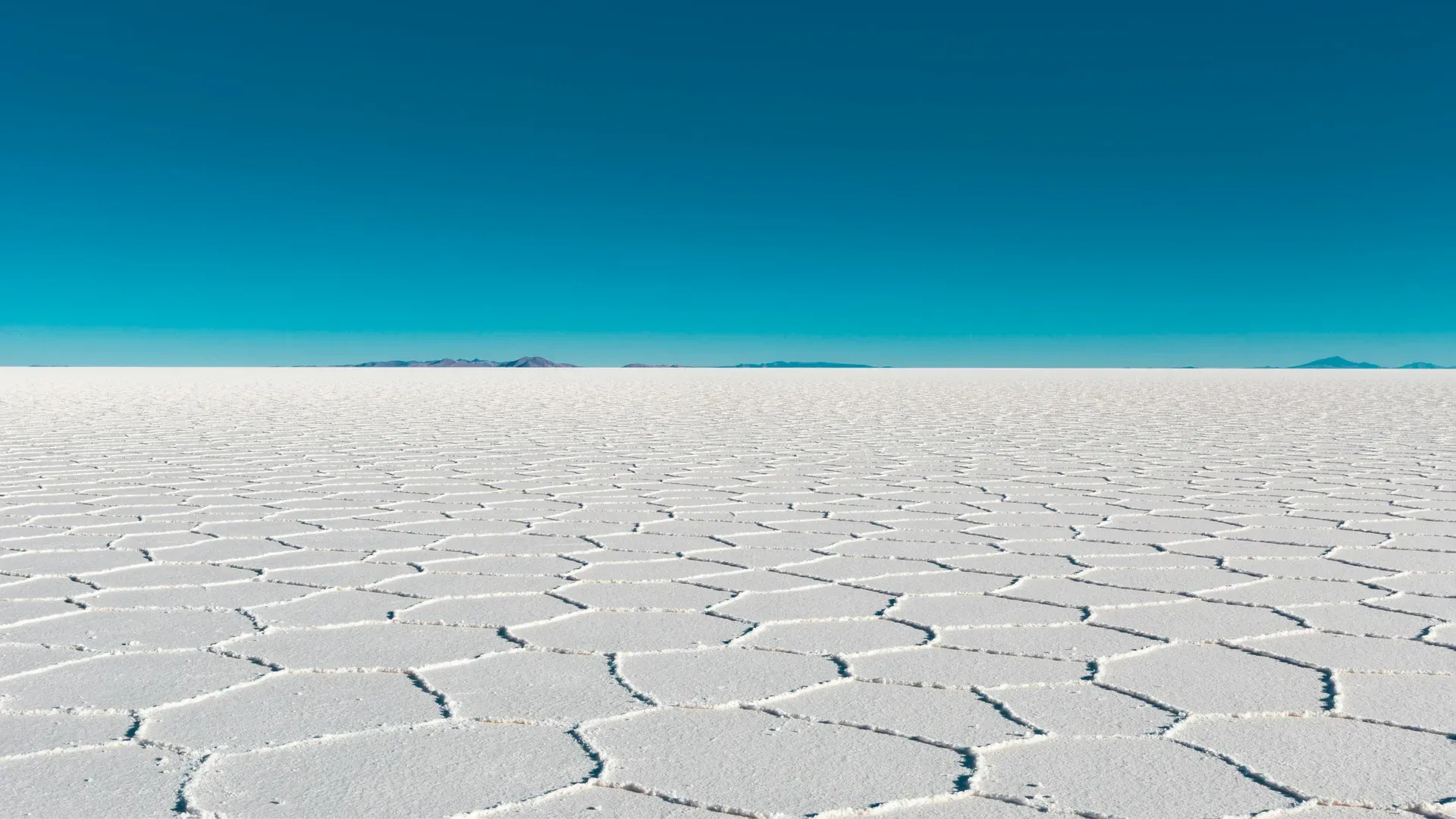
Experience the magic of the world's largest salt flat after dark with a Salar de Uyuni stargazing night tour. Watch the sunset transform the landscape into a giant mirror, followed by spectacular, unobstructed views of the starry night sky.
 Free Cancellation
 Witness the sunset and the Milky Way reflected on the flooded Uyuni Salt Flats during this evening photography tour.
 Free Cancellation
 Watch the sunset over the Salar de Uyuni and photograph the Southern Hemisphere’s constellations under a clear night sky.
 Free Cancellation
 Watch the sunset and stars reflect across the flooded Uyuni salt flats for a unique perspective of the sky.
 Free Cancellation
 A full-day 4x4 journey through the Salar de Uyuni featuring the train cemetery, Incahuasi Island, and a desert sunset.
Read what travelers share about their experience visiting Salar de Uyuni — from practical tips to personal highlights.
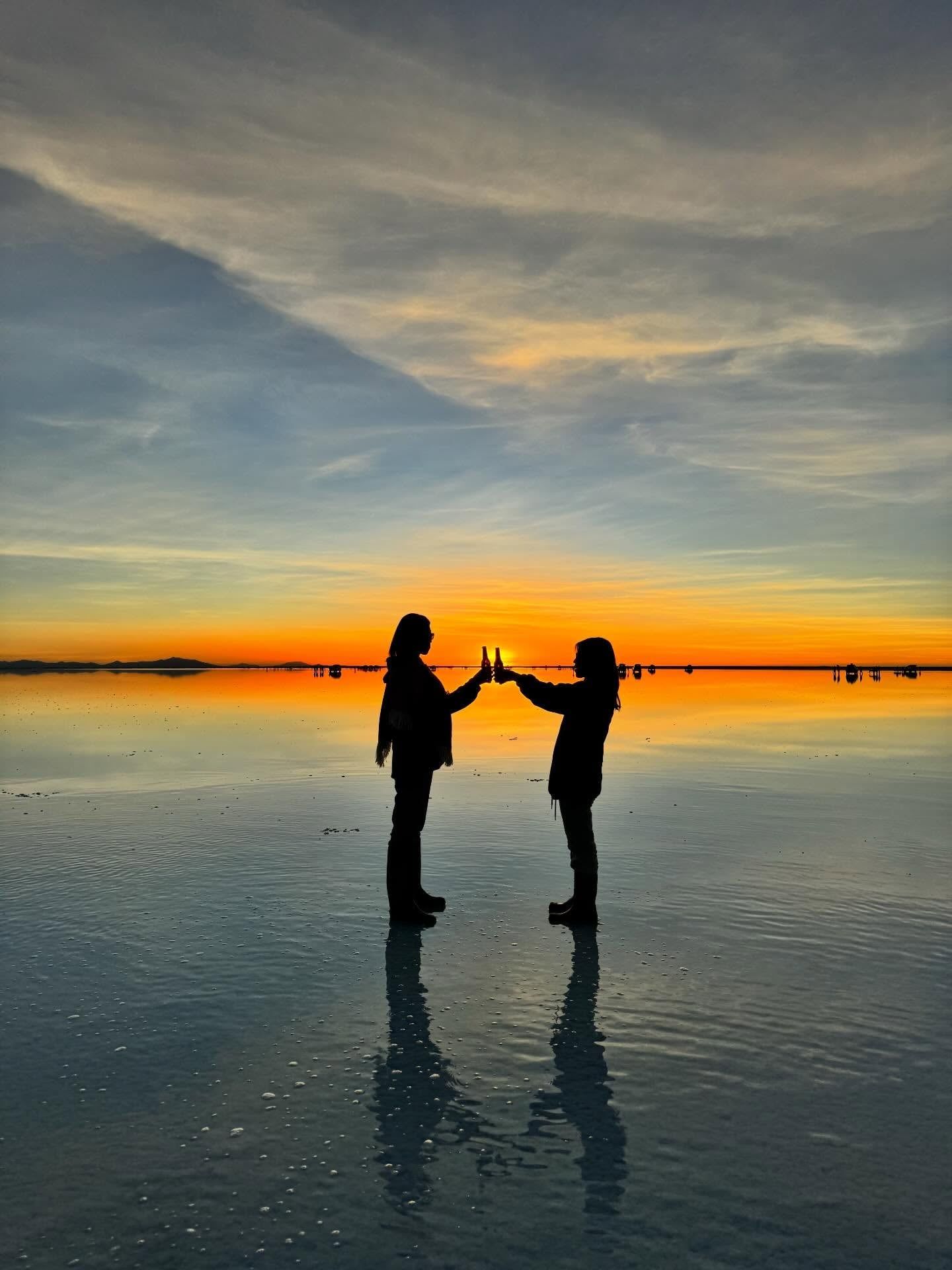
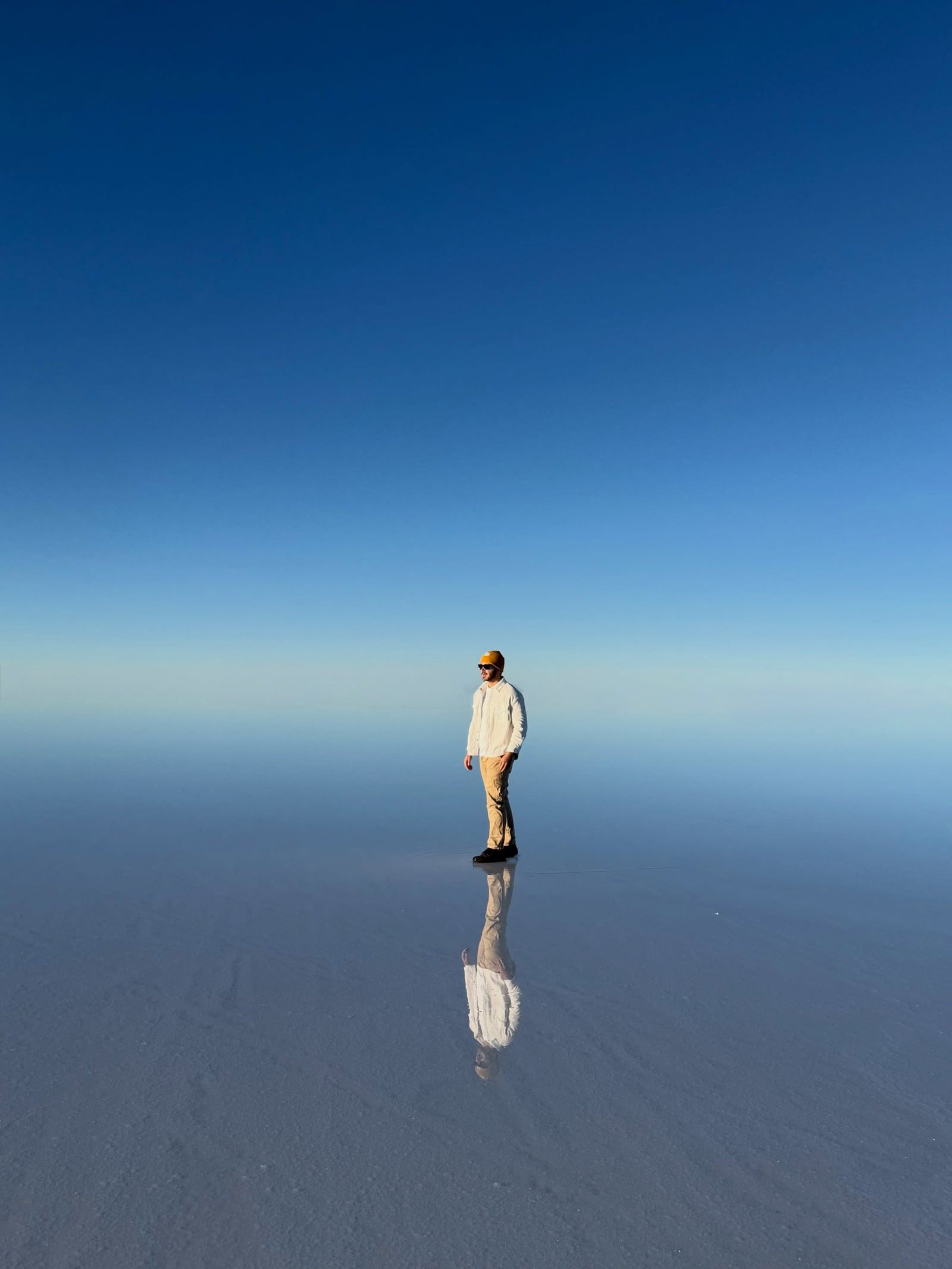
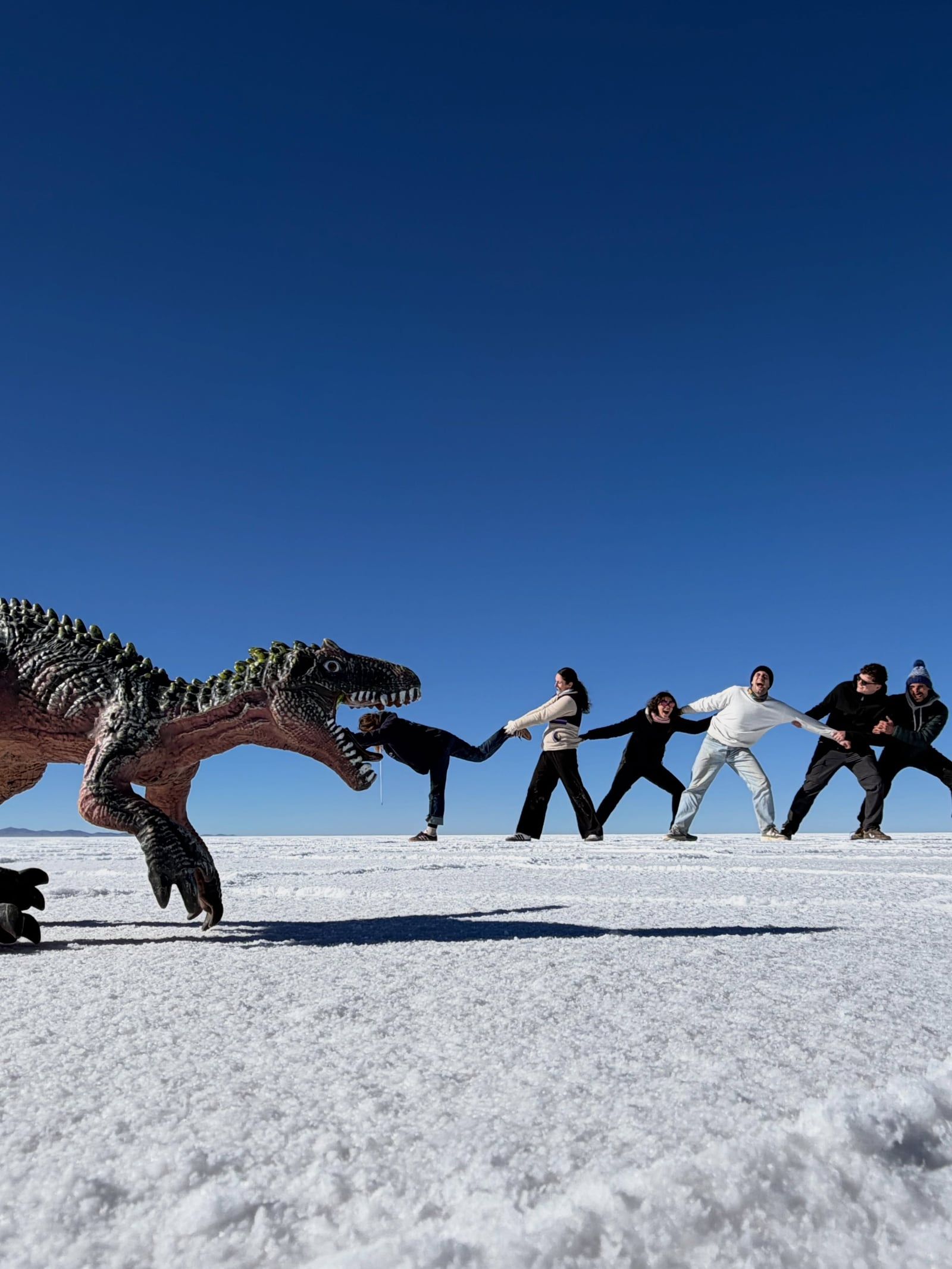
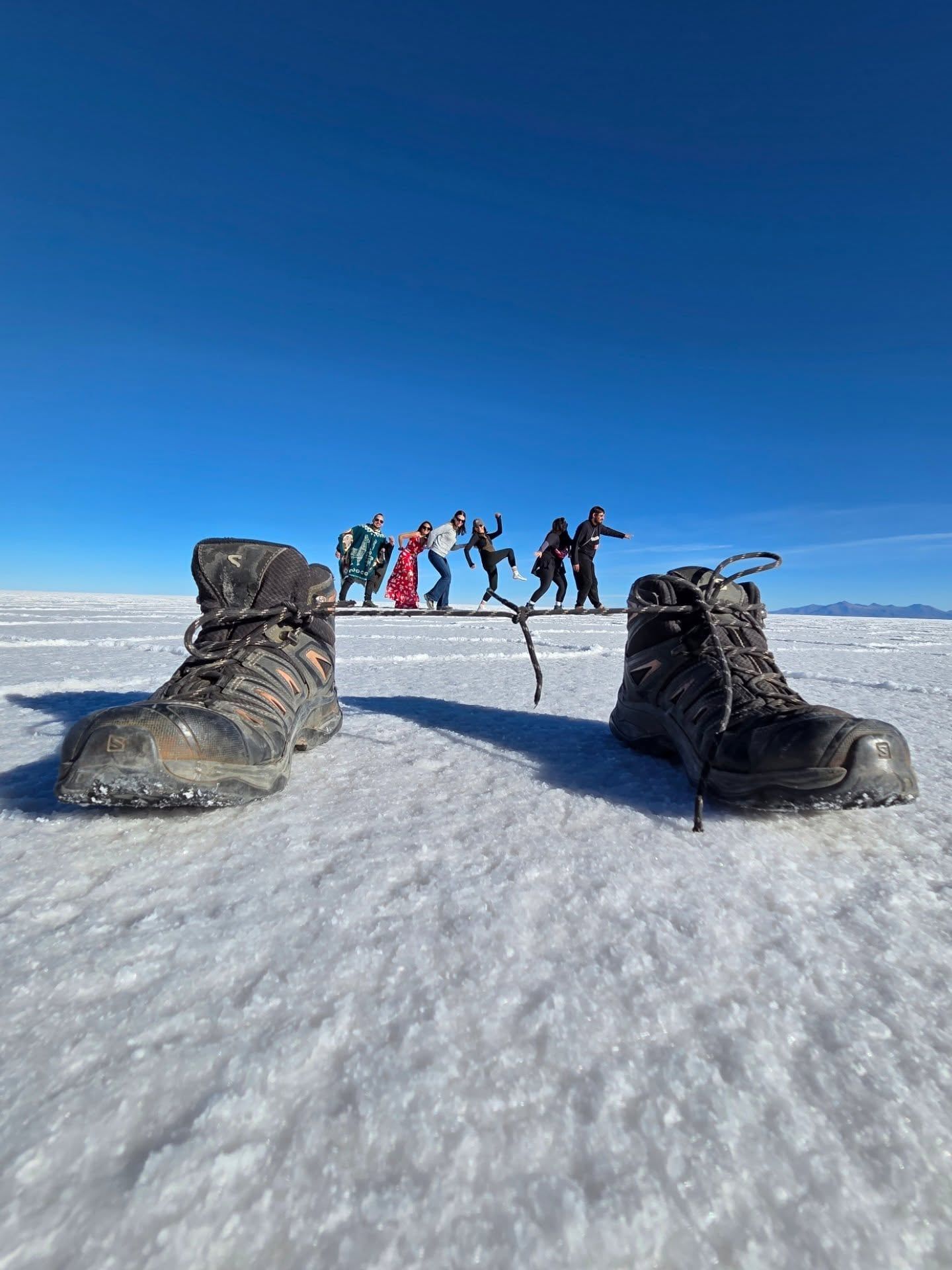
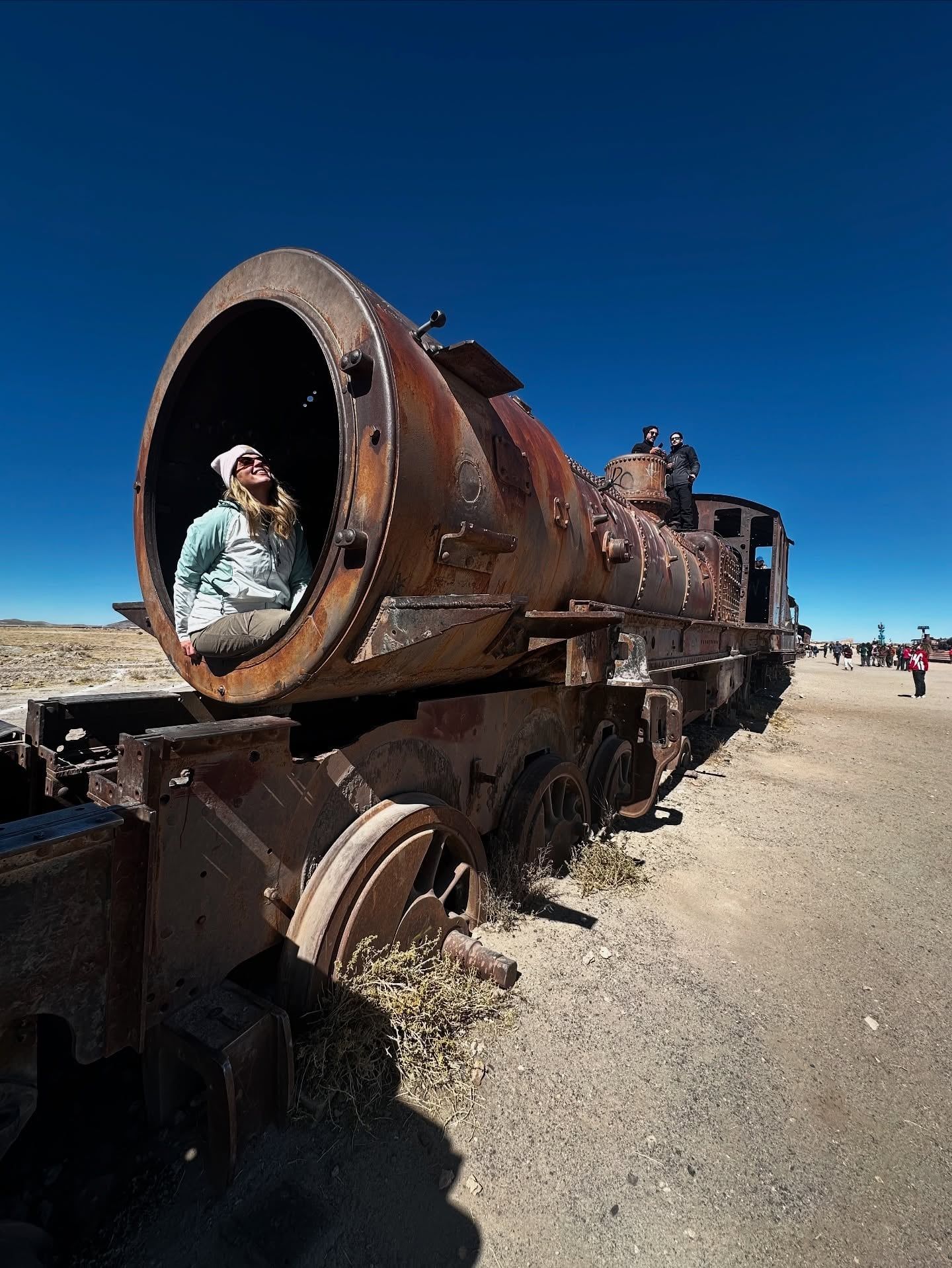
Heading out onto the Salar de Uyuni for a sunset and stargazing tour is an otherworldly experience. You will watch the endless white expanse transition through brilliant dusk colors before the pitch-black sky reveals a dazzling canopy of stars, completely free of light pollution.
Watch the sky transition through vibrant shades of orange, pink, and purple. The absolute silence of the remote desert amplifies the stark beauty of the landscape as the sun dips below the horizon.
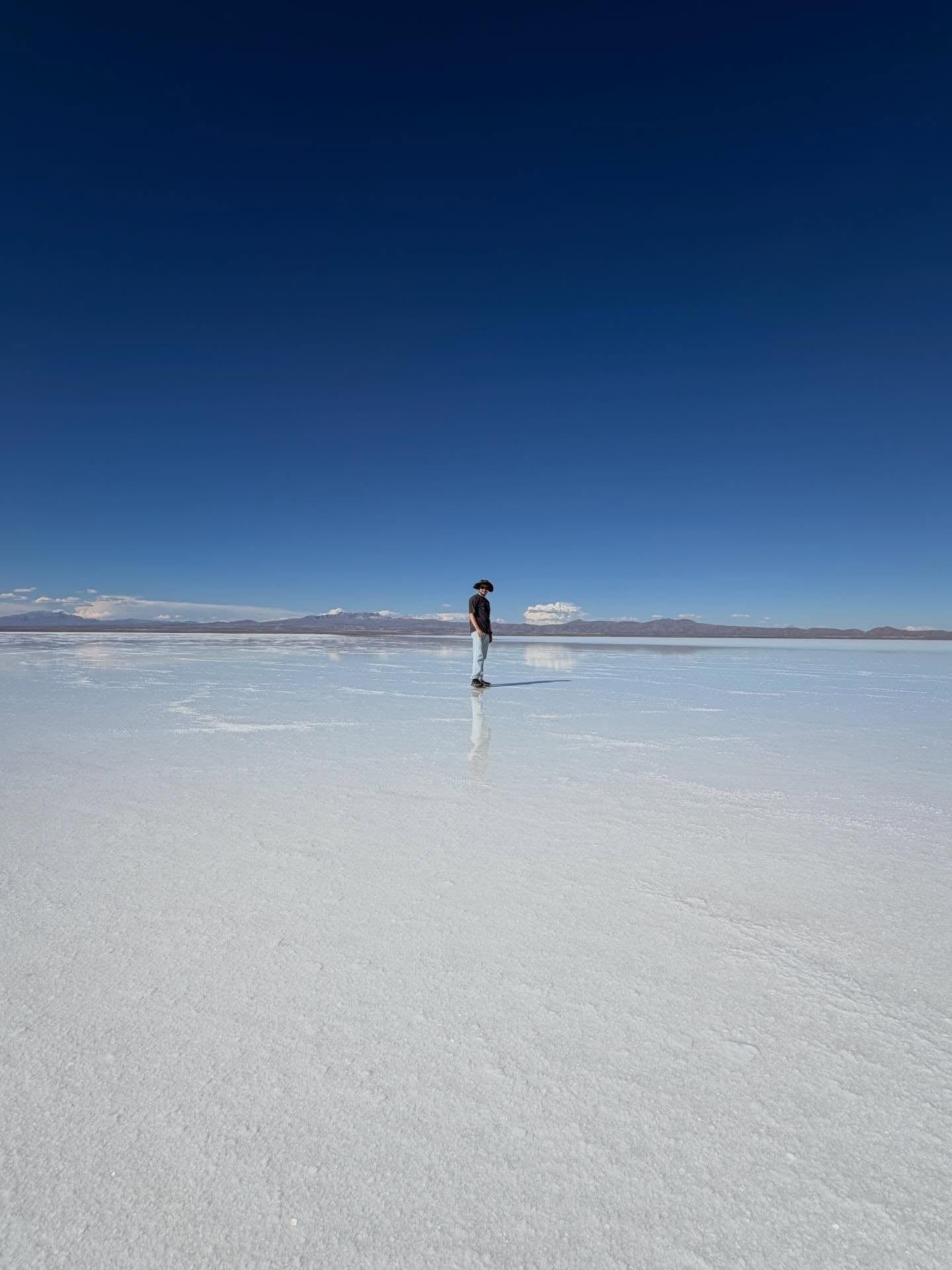
If visiting between December and March, a thin layer of water covers the salt crust. This creates a perfect reflection of the sky and stars, making you feel like you are floating in space.
With zero light pollution and high altitude, the Altiplano sky offers unparalleled views of the Milky Way. Guides often point out constellations and help set up astrophotography shots.
Before it gets dark, use the flat horizon to take classic forced-perspective photos. Guides are pros at setting up toy dinosaurs or boots for hilarious scale illusions.
As night falls, temperatures drop rapidly to freezing. Many tours include a warming cup of coffee, tea, or even local wine to keep you comfortable while you stargaze.
Booking a sunset or stargazing tour on the salt flats requires a bit of preparation, especially regarding the extreme weather and high altitude.
You can choose between shared group tours in a 4x4 jeep (usually up to 6 passengers) or private tours. Private options offer more flexibility, romantic extras like wine tasting, and more room to stretch out.
Most tour prices cover transport and your guide, but not local fees. Bring cash in Bolivian Bolivianos (BOB) for extras like Incahuasi Island (30 BOB) or public bathrooms (6 BOB).
Dress in highly adaptable layers. It might be warm and sunny at 3:00 PM, but the moment the sun sets, temperatures plummet to freezing. A thermal base layer, winter jacket, gloves, and a beanie are mandatory.
The salt flats sit at 3,650 meters (11,995 feet). It is crucial to spend a few days acclimatizing in places like La Paz or Sucre before your tour to avoid headaches and nausea.
Salt is highly corrosive. Bring ziplock bags to protect your camera and phone, and wipe down your tripod with fresh water immediately after the tour. Pack extra batteries, as the cold drains them fast.
Most operators offer a 24-hour cancellation policy for a full refund, which is great if your travel plans change or if you need an extra day to adjust to the altitude.
| Group Sunset & Stargazing | Private Starlight Experience | Full-Day + Sunset Combo | |
|---|---|---|---|
| Tour Style | Guided Group | Private Guide | Guided Group |
| Duration | 4 to 5 hours | Flexible (Evening) | Full Day |
| Group Size | Up to 6 people | Your group only | Up to 6 people |
| Starting Price | $45 - $58 | $202 | $72 |
The Salar de Uyuni itself does not have official opening or closing gates, but tour schedules are dictated by the sun and weather.
Uyuni is a remote town, but it is well-connected for travelers coming from major Bolivian cities.
The best time to visit depends entirely on the visual experience you want.
Exploring the salt flats presents some mobility challenges, but accommodations are possible.
Facilities on the salt flats are extremely limited, so preparation is key.
Travelers must respect local laws and conservation guidelines while visiting.
The salt flat sits at an elevation of approximately 3,650 meters (11,995 feet). Many visitors experience mild altitude sickness, so it is highly recommended to spend two to three days acclimatizing in a city like La Paz before your tour.
It depends on your nationality. Many Western European and South American citizens enter visa-free. However, US citizens must pay $160 USD for a tourist visa on arrival and provide two ID-sized photos.
No, tour operators generally do not include local entrance fees. You will need to bring cash in Bolivian Bolivianos to pay for sites like Incahuasi Island (30 BOB) or the Eduardo Avaroa National Reserve (150 BOB) if your tour goes there.
Temperatures drop rapidly as soon as the sun sets. During the dry winter months of June and July, night temperatures can easily drop below freezing. You must wear thermal base layers, a winter jacket, gloves, and a warm hat.
The wet season (December to March) floods the flats, creating a giant mirror that perfectly reflects the sky and stars. The dry season (May to November) offers clear skies and access to the unique hexagonal salt crust patterns.
Yes, drones are allowed as the airspace is unrestricted. However, the high altitude and freezing temperatures will drain your batteries incredibly fast, so keep spare batteries warm inside your jacket.
The salt and dust are highly corrosive. Store your gear in ziplock or dry bags when not in use. If you use a tripod in the saltwater during the wet season, rinse it with fresh water immediately after the tour.
While technically possible, independent driving is strongly discouraged. The 10,582 square kilometer expanse has no roads or landmarks, making it very easy to get lost or ruin your vehicle in deep saltwater.
Yes, most tour operators can easily accommodate vegetarian diets. Just be sure to inform them of your dietary restrictions before booking and confirm it in writing.
Weather on the Altiplano can be unpredictable. While guides do their best to find clear patches, heavy cloud cover can obscure the stars. Most operators offer a 24-hour cancellation policy if the forecast looks poor.
Browse verified tours with free cancellation and instant confirmation.
Find Tours


This tour starts at 15:00 and focuses on the visual "mirror effect" of the Uyuni Salt Flats. When the salt crust is covered in a thin layer of water, it reflects the sky perfectly. You will spend the afternoon exploring the flats and watching the sunset, which creates vibrant colors across the horizon and the ground. Once night falls, the tour continues so you can view the stars and the Milky Way. The clarity of the high-altitude sky allows the constellations to reflect in the water below, providing a rare setting for night photography. The trip concludes at 19:30, covering the transition from daylight to the emergence of the stars.
For a full refund, cancel at least 24 hours before the scheduled departure time.
Spanish


This excursion takes you into the heart of the Uyuni Salt Flats to witness the transition from day to night. You will arrive on the flats in the late afternoon to watch the sunset across the horizon, an ideal time for capturing the changing colors of the landscape. As night falls, the lack of light pollution reveals a dense field of stars and Southern Hemisphere constellations. The tour provides ample time for stargazing and long-exposure photography, allowing you to document the Milky Way against the unique, level backdrop of the world's largest salt crust.
For a full refund, cancel at least 24 hours before the scheduled departure time.
Spanish


This tour takes you onto the Salar de Uyuni during the wet season to see the landscape transformed into a giant mirror. You will arrive as the sun begins to set, watching the colors change across the flooded plains and reflecting off the shallow water. After dark, the experience continues with stargazing. The high altitude and lack of light pollution provide a clear view of the night sky, while the water on the ground reflects the stars, creating the sensation of being surrounded by the cosmos. It is a straightforward way to see one of the world's most distinct natural sights.
For a full refund, cancel at least 24 hours before the scheduled departure time.
Portuguese, English, Spanish


This full-day 4x4 expedition begins early in the morning to maximize your time in the world’s largest salt desert. The first stop is the historic Train Cemetery on the outskirts of Uyuni, followed by a visit to the village of Colchani to observe local salt processing and craft markets. Once inside the Salar, you will visit the Playa Blanca Salt Hotel and continue to Incahuasi Island. This rocky outcrop, covered in giant cacti, offers a 360-degree view of the white landscape. A break for lunch is included in the heart of the salt flats. The day ends by watching the sunset over the horizon before returning to the town of Uyuni.
For a full refund, cancel at least 24 hours before the scheduled departure time.
Spanish