About All Tours3-Day ToursPrivate ToursFrom La Paz ToursFrom San Pedro ToursSunset ToursStargazing Night Tours Directions Hours & Fees
Find Tours 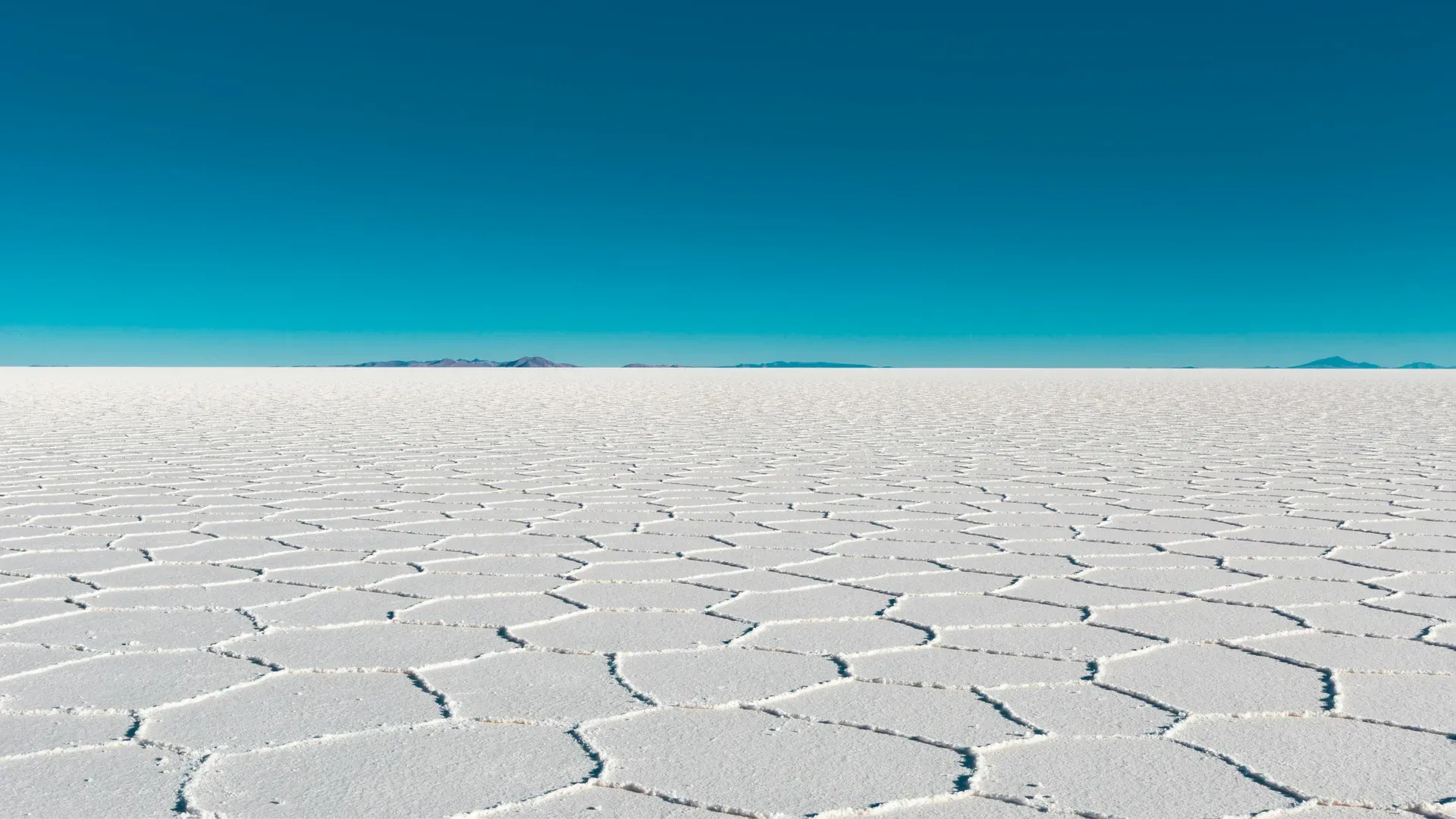
Entering the 10,582-square-kilometer salt flat costs nothing, and guided day tours generally run from 10:00 AM to 5:00 PM. You must carry physical Bolivian Bolivianos to pay the separate entry fees at specific stops like Incahuasi Island and the Eduardo Avaroa National Reserve.
Tour schedules dictate access to the salt flat, as the area lacks official gates or strict operating hours. One-day trips generally run from 10:00 AM to 5:00 PM to align with overnight bus arrivals from La Paz. Multi-day expeditions start driving much earlier, serving breakfast at 5:00 AM to maximize daylight.
| Day | Hours | Note |
|---|---|---|
| Monday–Sunday | 10:00–17:00 | Standard 1-day tour hours. Multi-day tours operate from 05:00. |
The salt flat remains open year-round and does not shut down for national or religious holidays. Extreme weather dictates the only true closures, peaking in January and February. Deep water accumulation during these months completely blocks vehicle access to central areas like Incahuasi Island.
Entering the Salar de Uyuni salt flat costs nothing, but attractions along the standard tour routes charge separate cash fees. You must pay these local entrance costs in Bolivian Bolivianos, as operators do not accept US dollars or credit cards. Bring plenty of small bills to cover public bathrooms and hot springs.
The main salt flat is always free to access, but no discount programs exist for the surrounding reserve or island fees.
Planning your visit to Salar de Uyuni? Find tours with free cancellation and skip-the-line options.
View All ToursDecember through March delivers the famous mirror effect, as a thin water layer reflects the sky across the 10,582-square-kilometer basin. Most tourists crowd the flats during this wet season, though heavy January and February rains frequently make the salt crust impassable for 4x4 vehicles. Travelers wanting guaranteed access to Incahuasi Island should wait for the dry season starting in May.
Visitors choose between a 1-day 4x4 jeep tour and a 3- to 4-day expedition. One-day trips run from 10:00 AM to 5:00 PM, focusing entirely on the salt flats and nearby train ruins. Multi-day routes push south toward the Chilean border, adding stops at 5,000-meter geysers and mineral-rich hot springs.
Bring all required cash in Bolivian Bolivianos before leaving Uyuni town. Local attractions and small village shops reject US dollars and credit cards, and the remote multi-day routes lack ATMs entirely. Keep small change handy, as public bathrooms cost 6 BOB per visit.
Put on high-quality UV-protective sunglasses immediately upon entering the salt flat. Solar radiation at 3,650 meters bounces off the white salt crust, causing severe eye strain or temporary blindness. Apply factor 50 sunscreen repeatedly to all exposed skin.
Keep spare camera and phone batteries close to your body or inside a thermal bag. Freezing Altiplano morning temperatures drain electronics rapidly. Pack your gear in sealed dry bags to block corrosive salt and dust.
Buy cheap waterproof boots if visiting between December and March. Walking barefoot through the shallow water irritates skin, and the highly corrosive saltwater destroys standard hiking shoes. Rinse your boots and camera tripods with fresh water immediately after the tour.
Spend two to three days in La Paz or Sucre before starting the tour. The route climbs from 3,650 meters on the salt flat to 5,000 meters at the Sol de Mañana geysers, triggering severe altitude sickness. Carry local coca leaves or altitude medication to manage headaches and nausea.
Entering the salt flat itself is free, but you must pay cash in Bolivian Bolivianos for specific attractions. Incahuasi Island costs 30 BOB per person. Entering the Eduardo Avaroa National Reserve requires a 150 BOB fee, and the Polques hot springs charge 6 BOB.
The salt flats have no official gates or closing times. One-day tours typically run from 10:00 AM to 5:00 PM to align with overnight bus schedules. Multi-day excursions start earlier, serving breakfast at 5:00 AM on the third day to maximize daylight.
Bring enough Bolivian Bolivianos to cover all site fees, bathroom stops, and tips, as the remote route has zero ATMs. Expect to pay 6 BOB each time you use a public toilet. Guides and drivers rely on tips of $5 to $10 USD per person per day.
No special individual permits are required before arriving. You simply pay mandatory entry fees at the specific sites. US citizens must obtain a Bolivian tourist visa at the border for $160 USD, which requires handing over two ID-sized photos.
A basic one-day 4x4 jeep tour costs between $30 and $50 USD per person. Comprehensive three-day group tours range from $150 to $200 USD. This covers shared transport, meals, and basic dormitories, though upgrading to heated salt hotels prevents freezing nights.
Heavy water accumulation between January and February can make the salt flat surface impassable for vehicles. This restricts access to key locations like the 15-minute hiking trail on Incahuasi Island. Pack cheap plastic rain boots to protect your feet from the corrosive saltwater.
Independent driving is strongly discouraged due to the absence of roads and landmarks across the 10,582 square kilometer expanse. Drivers easily become disoriented or ruin their engines in deep saltwater. Booking a guided 4x4 tour provides the safest route through the desert.
Browse verified tours with free cancellation and instant confirmation.
Find Tours